British Birds Collection
No. 01
Robin
Erithacus rubecula
Familiar, confident and fiercely territorial, the Robin is one of Britain’s most recognisable birds and a constant presence in gardens, woodland and hedgerows throughout the year. Its bright orange-red breast and inquisitive nature make it particularly approachable, while its habit of following gardeners in search of disturbed insects has helped create its enduring association with people.

No. 02
Kingfisher
Alcedo atthis
Few British birds are as instantly recognisable as the Kingfisher. Its brilliant blue-green upperparts and rich orange underparts can appear almost tropical, yet this remarkable bird is found along rivers, streams, lakes and wetlands throughout much of Britain. Often first noticed as a flash of blue flying low over the water, a perched Kingfisher offers a wonderful opportunity to appreciate its extraordinary colour and detail.

No. 03
Kestrel
Falco tinnunculus
Kestrels are among Britain’s most familiar birds of prey, instantly recognisable when hovering above open countryside while searching for prey. Their remarkable ability to remain almost stationary in the air makes them fascinating to watch and photograph. Often found around farmland, grassland and roadside verges, they remain one of our most distinctive and accessible falcons.

No. 04
Great Spotted Woodpecker
Dendrocopos major
The Great Spotted Woodpecker is Britain’s most widespread woodpecker, familiar in mature woodland, parks and increasingly in gardens. Its bold black-and-white plumage, flashes of red and distinctive undulating flight make it relatively easy to recognise. Often heard before it is seen, its sharp calls and spring drumming are characteristic sounds of wooded landscapes across much of Britain.

No. 05
Jay
Garrulus glandarius
The Jay is a striking and distinctive member of the crow family, easily recognised by its pinkish body, vivid blue and black wing patches, and a prominent black moustache stripe. Found commonly throughout woodlands across Britain, Jays are intelligent birds known for their remarkable resourcefulness and playful behaviour in temperate environments.

No. 06
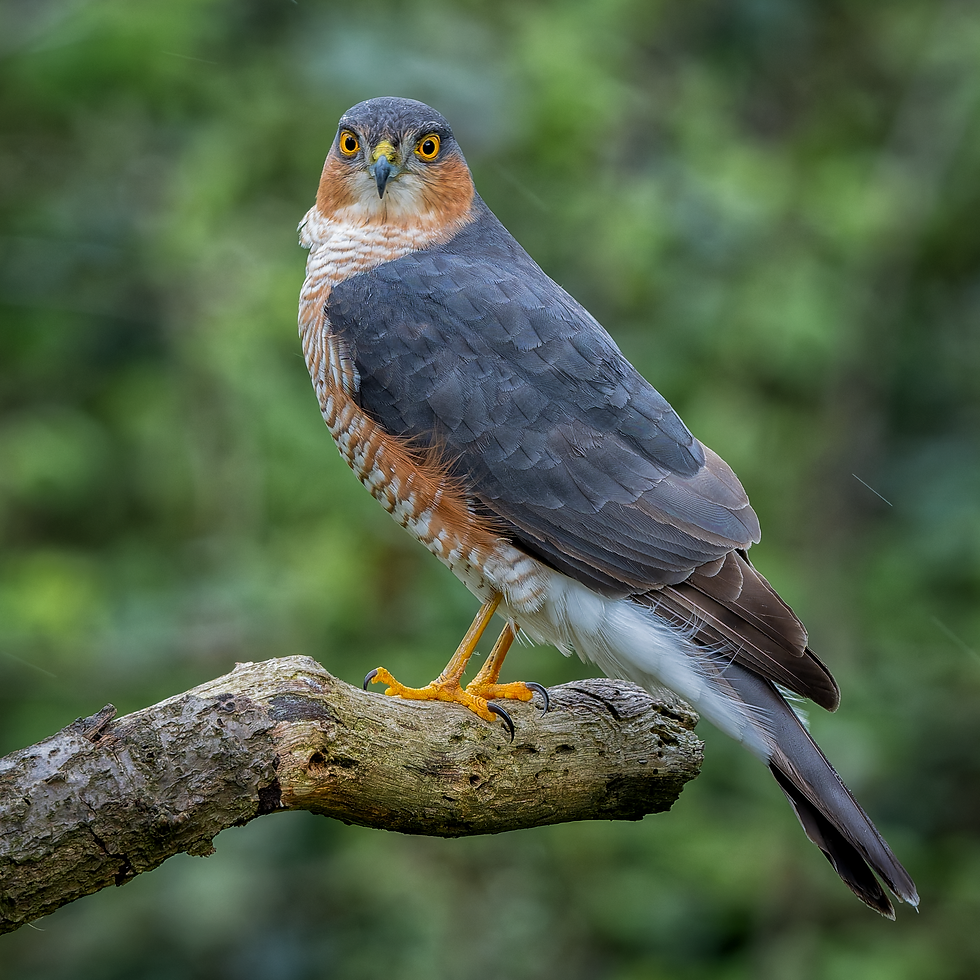
Sparrowhawk
Accipiter nisus
The Sparrowhawk, a small bird of prey found throughout Britain, is renowned for its remarkable agility and swift flight. Frequently observed darting through woodlands and urban gardens alike, it hunts smaller birds with precision. Its presence contributes significantly to local ecosystems, maintaining a balanced population of prey species and supporting biodiversity.
No. 07
Chaffinch
Fringilla coelebs
The Chaffinch is a vibrant and well-known British songbird, celebrated for its cheerful song and strikingly colourful plumage. Seen frequently in gardens and woodlands across the country, it remains a common visitor throughout the entire year, making it an easily accessible and rewarding subject for both bird enthusiasts and photographers alike.

No. 08
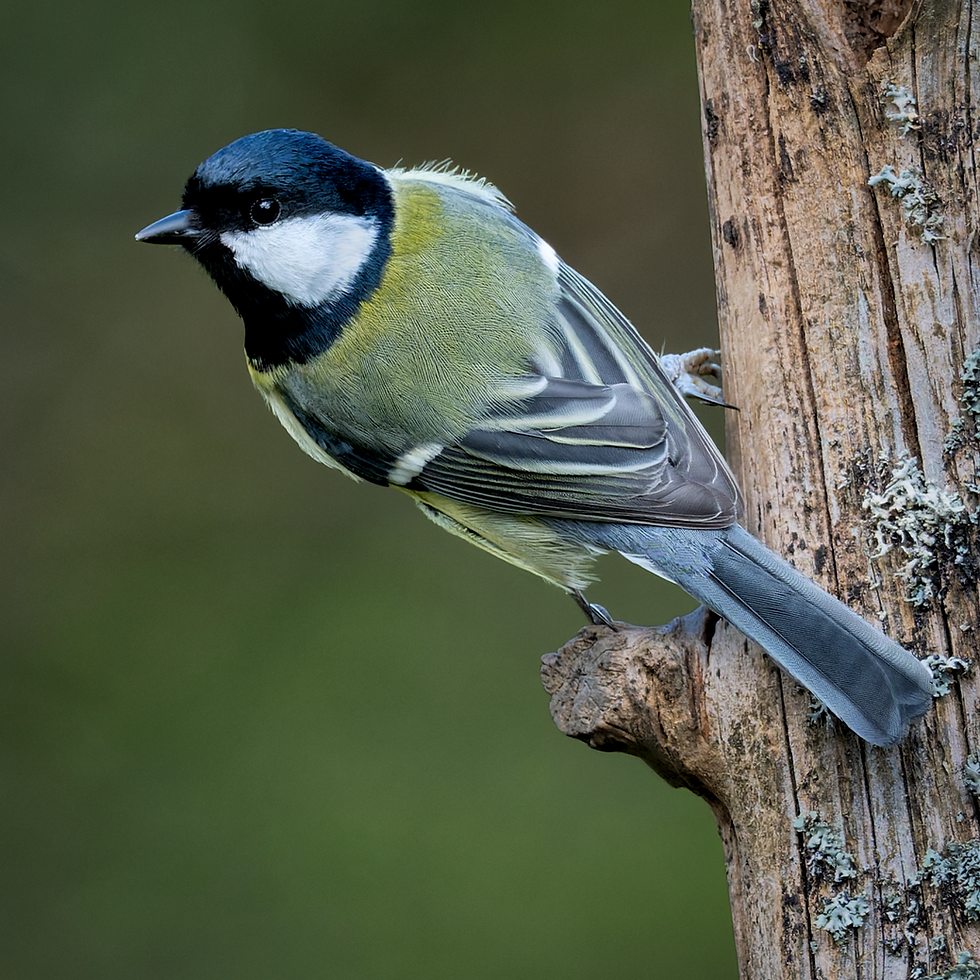
Great Tit
Parus major
The Great Tit is a familiar and large member of the tit family widely distributed across Britain. Known for its bold black head and striking white cheeks, it is a common garden and woodland bird throughout the year, easily noticed by its distinctive two-syllable call and lively behaviour.
No. 09
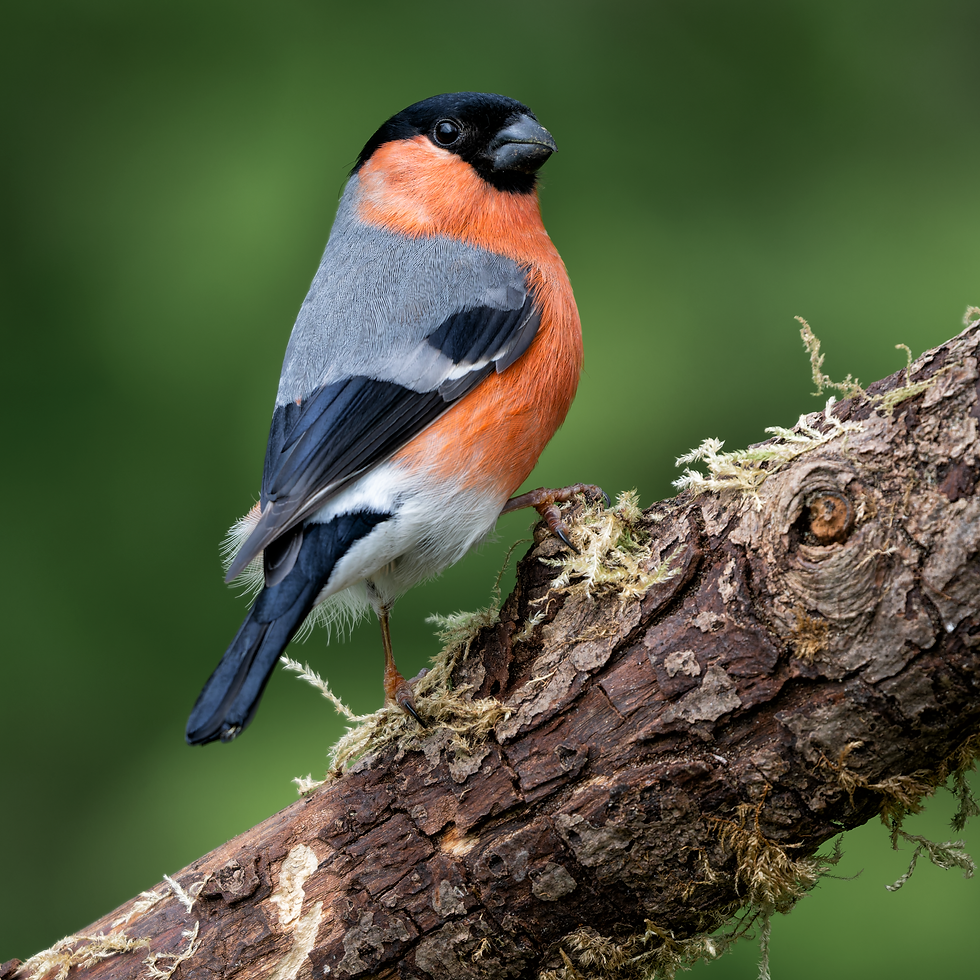
Bullfinch
Pyrrhula pyrrhula
The Bullfinch is a stocky passerine bird, easily recognised by its vibrant colours and distinctive call. It inhabits much of Britain and is often seen in woodlands and gardens, particularly where dense shrubs offer ample cover. Its normally quiet nature frequently renders it less conspicuous, despite its bright and eye-catching plumage.
No. 10
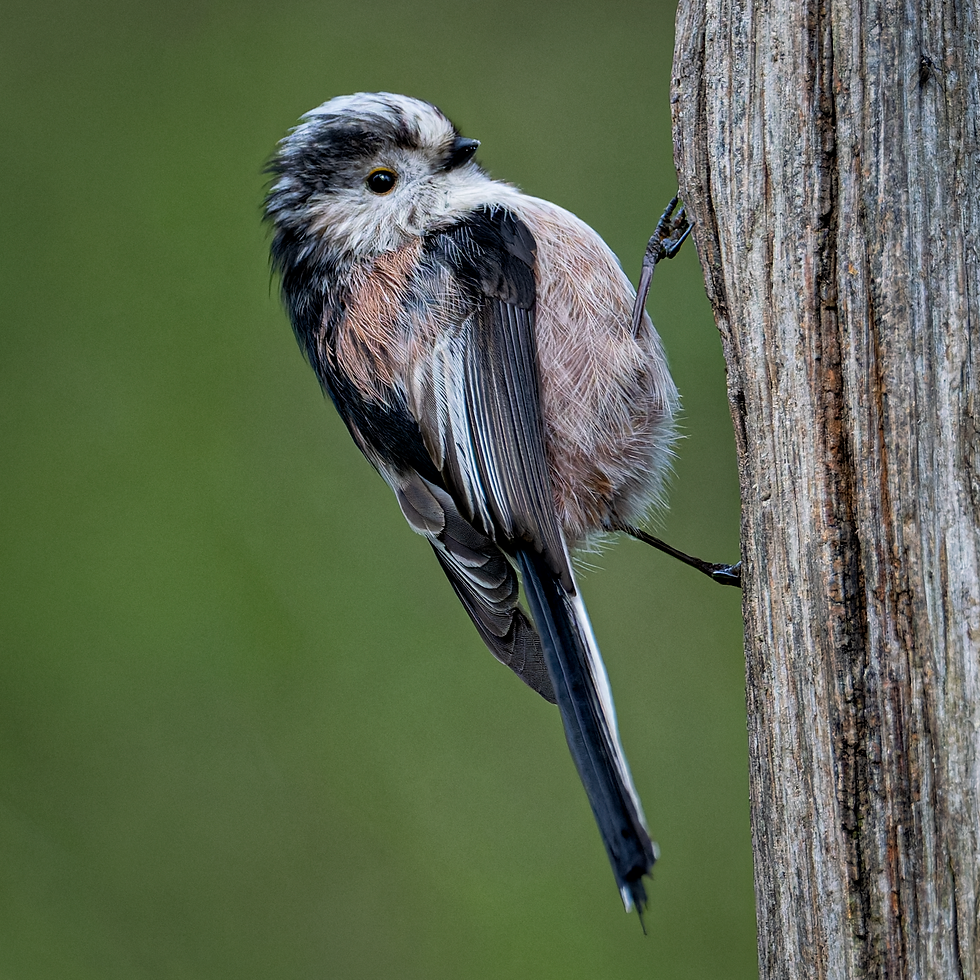
Long Tailed Tit
Aegithalos caudatus
The Long Tailed Tit is a small, sociable bird, easily recognised by its distinctive tail which is about half the length of its body. Throughout Britain, it is commonly seen year-round in woodlands and gardens, often moving in lively flocks that brighten the winter months with their lively chatter and constant movement.
No. 11
Siskin
Spinus spinus
The Siskin is a small finch native to Britain, known for its lively presence and distinctive twittering calls that brighten the countryside. Outside the breeding season, this bird often forms flocks, adding both vibrant colour and cheerful sound to the mixed woodland and garden habitats it frequents across the country.

No. 12
Wren
Troglodytes troglodytes
The Wren is a tiny, energetic bird renowned for its loud and intricate song despite its diminutive size. It is widespread across Britain, frequently found in dense shrubs and along the edges of woodlands. Wrens are mainly resident and sing vigorously throughout the year, particularly during spring and autumn, when males establish their territories.

No. 13
Treecreeper
Certhia familiaris
The Treecreeper is a small, discreet British bird known for its habit of climbing tree trunks in search of insects. Its curved bill and cryptic brown plumage provide excellent camouflage among bark textures, making it a specialist in woodland habitats. Often heard before seen, its thin, high call is distinctive in British woodlands.

No. 14
Dunnock
Prunella modularis
The Dunnock is a small, unobtrusive bird native to Britain that is frequently found in gardens and woodlands. Despite its modest appearance and quiet presence, this bird is remarkably adaptable. Throughout the year, it plays an important role in the ecosystem by feeding on insects and consuming seeds, thus contributing to environmental balance.

No. 15
Blue Tit
Cyanistes caeruleus
The Blue tit is a small, lively songbird commonly found across Britain. Recognized for its vibrant blue and yellow plumage, it is a familiar garden visitor and woodland resident. This bird plays a significant role in garden ecology, often seen flitting actively among trees and shrubs from early spring through autumn.

No. 16
Reed Bunting
Emberiza schoeniclus
The Reed Bunting is a small passerine bird commonly seen in Britain’s wetland regions. Known for its subtle colouring, it is closely linked with reed beds and marshy areas where it constructs its nest. This species plays an important role, contributing notably to the variety and richness of Britain’s bird life throughout the entire year.

No. 17
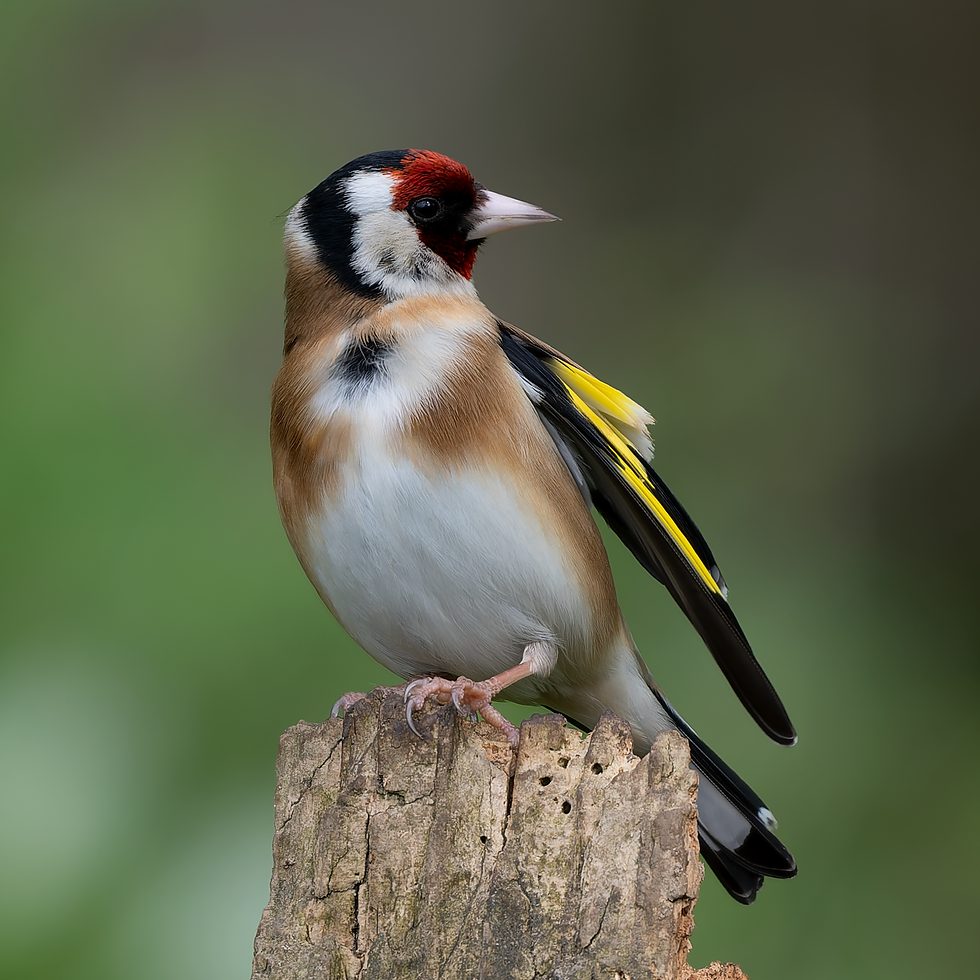
Goldfinch
Carduelis carduelis
The goldfinch is a beautifully striking small songbird found widely across Britain, easily recognised by its vibrant red face and distinctive yellow wing patches. It is commonly spotted in gardens, parks, and rural countryside, where it is much admired for its melodious song and its lively, cheerful presence throughout much of the year.
No. 18
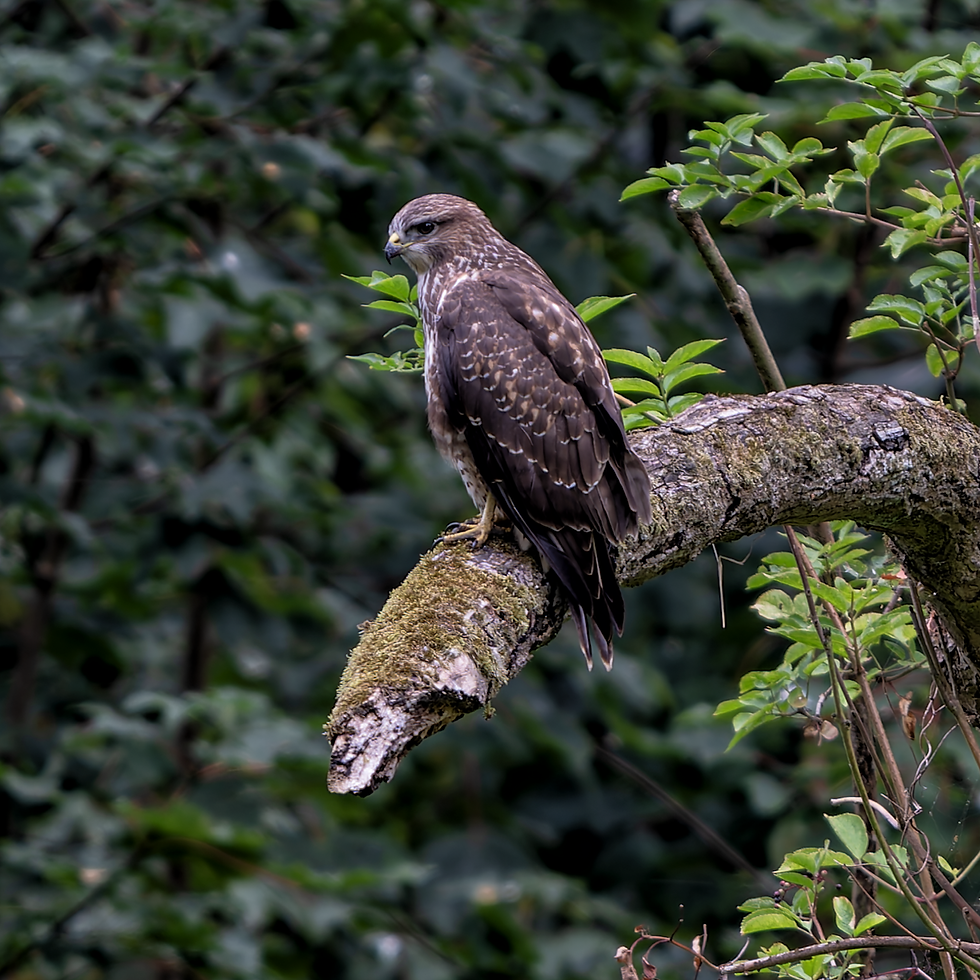
Buzzard
Buteo buteo
The buzzard is a medium-large bird of prey commonly seen soaring across British skies. Recognised for its broad wings and distinctive flight style, it plays an important role in controlling rodent populations. These adaptable raptors are widespread throughout Britain and are often observed gliding gracefully over woodlands, farmland, and open country.