
Using the Nikon Z8 with the NIKKOR Z 180-600mm for Bird Photography: A Field Perspective
Updated: Jul 1
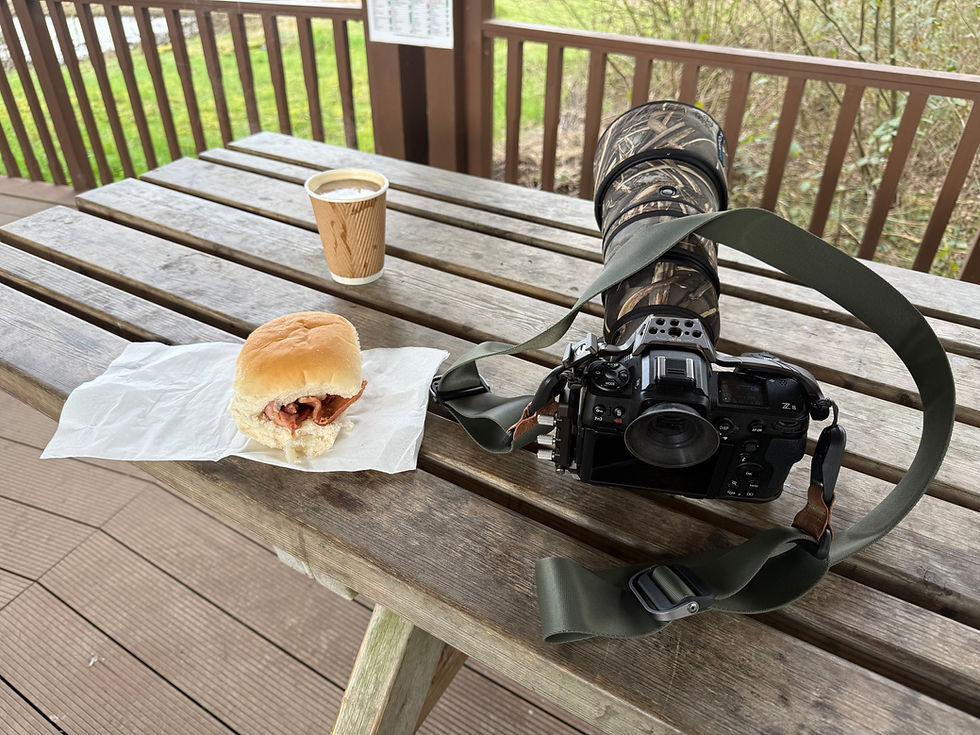
There is often a temptation when discussing camera equipment to search for the perfect lens, the one that will cope with every situation and every subject. After spending many months photographing wildlife with the Nikon Z8, I've come to realise that the answer is rather less straightforward. Every lens represents a compromise, and nowhere was that more apparent than during a recent morning photographing kingfishers.
The day began under heavy cloud, with the pond still sheltered beneath the trees. As the morning progressed, patches of sunlight broke through, creating rapidly changing light and contrast. The birds themselves were equally unpredictable, sometimes choosing distant branches on the opposite bank and, moments later, landing just a few metres in front of me. It quickly became apparent that no single lens would comfortably cover every opportunity the session presented.
Over the course of several hours I found myself rotating between three lenses: the NIKKOR Z 180-600mm f/5.6-6.3 VR, the NIKKOR Z 400mm f/4.5 VR S and the NIKKOR Z 70-200mm f/2.8 VR S. Each solved a different problem, and together they highlighted both the strengths and limitations of Nikon's versatile super-telephoto zoom.
For much of the morning, the 180-600mm remained attached to the camera. It is, without question, one of the most versatile wildlife lenses I have used. The ability to zoom from 180mm to 600mm without extending the barrel makes the lens feel remarkably well balanced, while the internal zoom mechanism maintains consistent handling whether working handheld or from a monopod or gimbal.
The weather sealing also inspires confidence, particularly during damp British mornings when photographing beside rivers or wetlands.
The greatest strength of the lens is undoubtedly its flexibility. One moment I could photograph a distant kingfisher perched across the pond at 600mm, and the next I could zoom out to include more of the surrounding habitat without changing lenses. For many wildlife photographers, that versatility alone makes the lens exceptionally attractive. Rather than worrying about whether enough reach is available, the photographer can concentrate on behaviour, composition and timing.
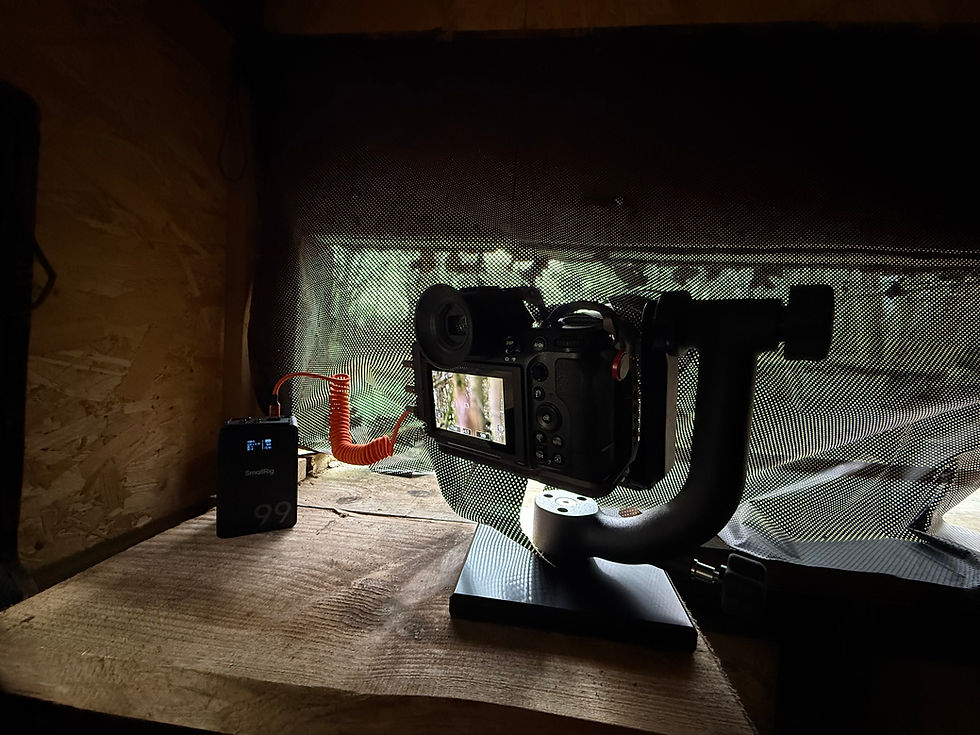
Image quality has consistently impressed me. Mounted on the Nikon Z8, the lens produces files with excellent detail, pleasing contrast and natural colour rendition.
Even towards the longer end of the zoom range, where many telephoto zooms begin to soften, sharpness remains very respectable. Modern software such as Lightroom Classic, DxO PureRAW and the Nik Collection complement the files well, extracting impressive detail while maintaining a natural appearance.
Autofocus performance is equally reassuring. Bird Subject Detection on the Z8 has transformed the way I photograph wildlife. Perched birds are acquired almost instantly, while birds in flight are tracked confidently provided good technique is maintained. As with any autofocus system, success depends on anticipating movement and keeping the subject within the autofocus area, but the combination inspires confidence in demanding situations.
Despite these strengths, the morning also reminded me that every lens has limitations. Although 180mm sounds relatively wide for a super-telephoto, there were several occasions when it simply wasn't wide enough. Some of the kingfishers landed surprisingly close to my position, filling the frame even at the shortest focal length. Rather than producing the environmental portraits I had hoped for, the composition became too tight, with little room to include the beautifully textured perches or surrounding habitat.
It was during these moments that the 70-200mm f/2.8 proved invaluable. The ability to zoom wider immediately restored compositional freedom, allowing the birds to sit naturally within their environment rather than dominating the entire frame. The faster aperture also provided a noticeable advantage as the light faded beneath the trees. Lower ISO settings, quicker shutter speeds and beautifully soft backgrounds all contributed to images with a different character to those produced by the longer zoom.
Later in the session, as cloud once again reduced the available light, I reached for the 400mm f/4.5. This has become one of my favourite wildlife lenses for good reason. It is considerably lighter than many telephoto options, focuses exceptionally quickly and, thanks to its wider maximum aperture, gathers significantly more light than the 180-600mm. The result is not only cleaner files at lower ISO values, but also smoother background separation that gives perched birds a particularly elegant appearance.
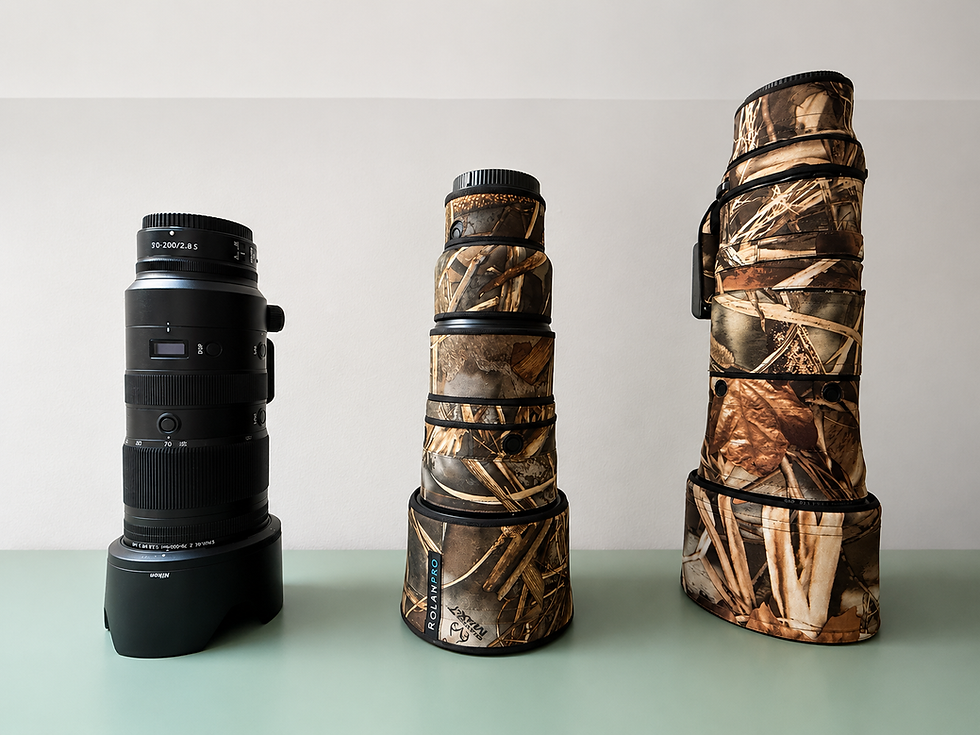
The experience reinforced something I have gradually learned since moving to Nikon's Z system. Lens choice should always be dictated by the subject and the conditions rather than by a desire to use a particular piece of equipment. The 180-600mm offers remarkable versatility and remains my first choice whenever I expect distances to vary throughout the day. If I am photographing birds from a hide, walking around a nature reserve or visiting an unfamiliar location, it is almost always the lens I choose to carry.
However, when I know the birds will be close, or when early morning woodland light becomes challenging, the faster prime lenses begin to justify their place in the camera bag. The additional light gathering ability and improved subject separation become increasingly valuable as conditions deteriorate.
One aspect that deserves particular praise is the value the 180-600mm represents. Nikon has produced a lens capable of delivering professional-quality wildlife images without the substantial financial investment demanded by its premium super-telephoto primes. For enthusiasts and experienced photographers alike, it offers an impressive balance between performance, image quality and versatility.
If I could own only one wildlife lens, it would almost certainly be the NIKKOR Z 180-600mm. It covers an extraordinary range of photographic situations and rarely leaves me feeling under-equipped. Yet if there is one lesson my latest kingfisher session taught me, it is that versatility does not mean perfection. Sometimes 600mm is exactly what is needed. Sometimes 400mm gathers just enough extra light to make the difference. And occasionally, when a kingfisher decides to perch almost at your feet, even 180mm proves a little too much.
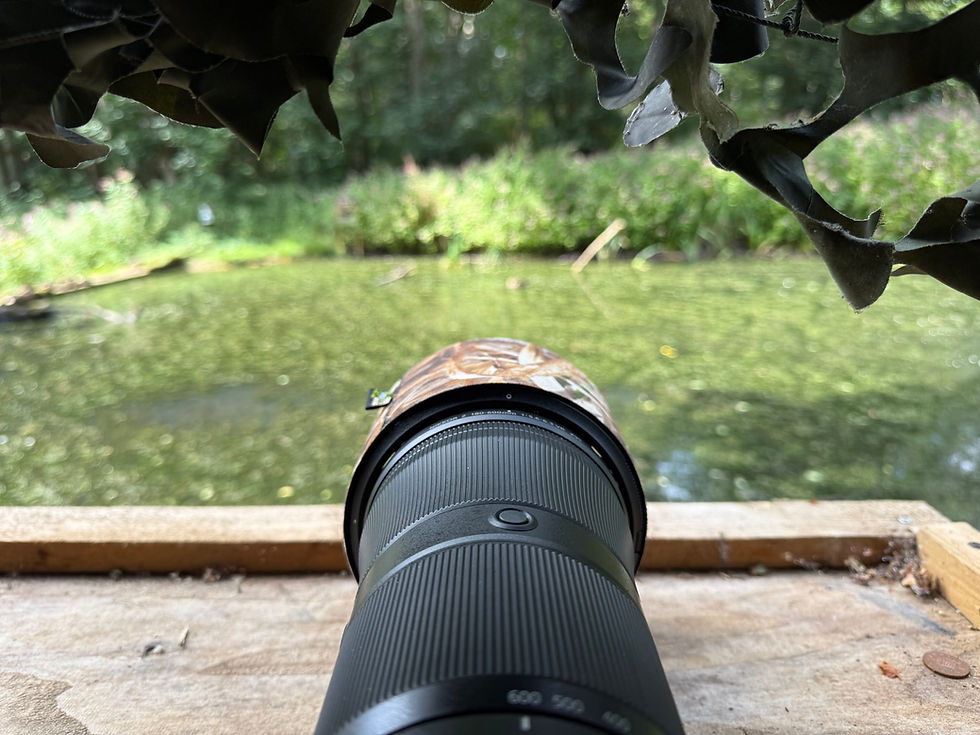
Perhaps that is the greatest lesson wildlife photography teaches us. We can prepare meticulously, choose the finest equipment and study our subjects in detail, but nature always retains the final say. The challenge is not finding the perfect lens, but understanding which tool best suits the moment. On that particular morning, every lens earned its place, and every lens reminded me why wildlife photography remains one of the most rewarding and unpredictable genres of photography.
This article reflects one morning in the field, but it also represents years of refining both my equipment and workflow. If you're interested in the camera gear, lenses, support equipment and editing software that accompany me on every outing, including Lightroom Classic, DxO PureRAW and the Nik Collection, you'll find a complete overview on my Photography Gear page. I hope it provides a useful insight into the tools that help me create the images you see throughout this website.
Continue Your Nikon Z8 Journey
If you found this article helpful, you may also be interested in my free Nikon Z8 e-Guide and Menu by Menu Settings Guide. These resources explain the camera setup and techniques I use for British wildlife photography, along with practical field guides developed from real-world experience.
Whether you're new to the Z8 or looking to refine your workflow, you'll find a growing collection of free resources available to download and read online.
Explore the free guides and downloads here: Download Centre
If you've enjoyed this Journal entry please leave a like or comment below :-)


zeer nuttige en praktische informatie over de instellingen van de Z8 camera.
Really enjoyed your perspectives! I have 2 of the 3 and am extremely happy with both. At 70, this will (probably) be my last camera. I wish I knew 1/2 of what it is capable of! Cheers!
Great comparisons of the three. I too have the 180-600, but I also carry with me the 28-400, f4/8 that works exceptionally well for wildlife and landscapes. Thanks for posting your real-life experience.
I am considering the 400 and the 180-600 but can only justify one purchase. I have been so impressed by higher ISO I’m thinking the 180-600 is the way to go. I didn’t see this addressed in the article. Do you have thoughts along this line?
As a fellow z8+180-600 user - Thank you for taking the time and effort for this write up, I really enjoyed it!